
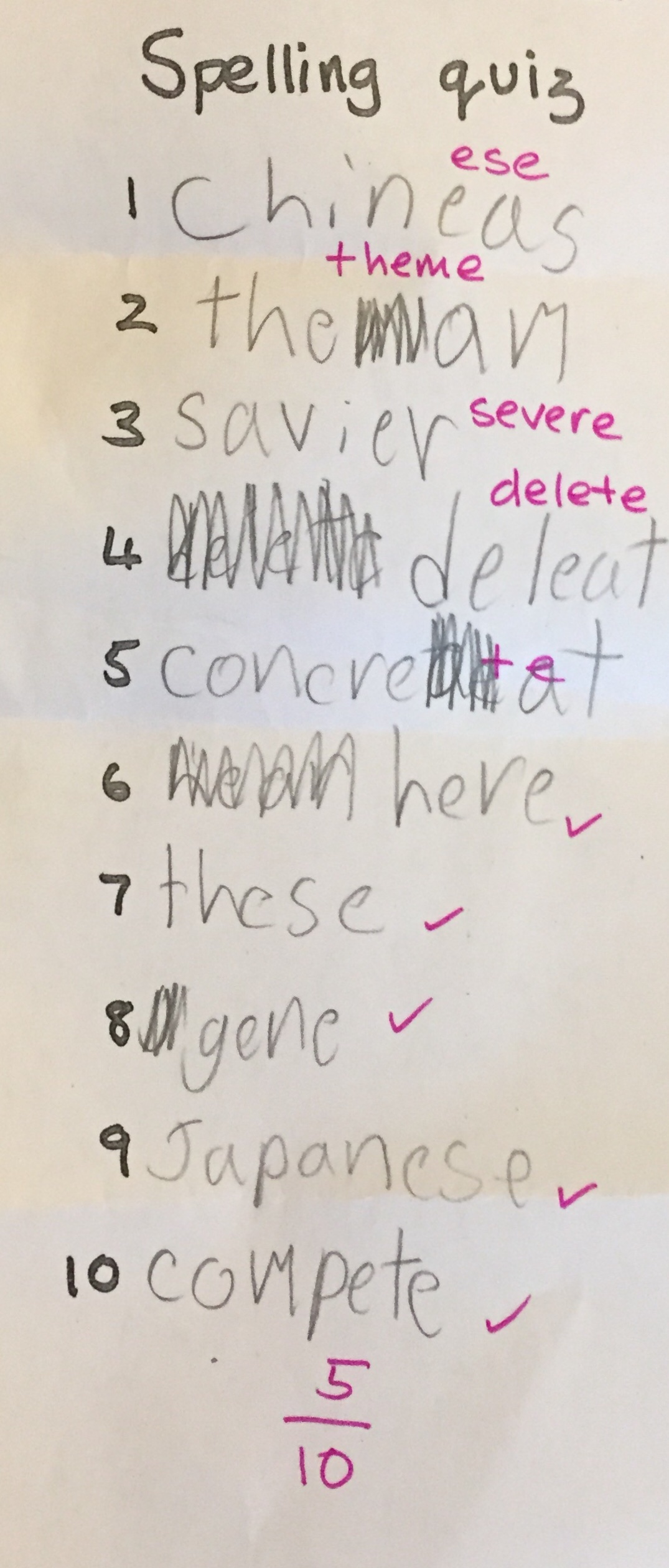
The 1st-grader has aced her spelling quizzes, until this one. She says it’s because we’ve been overly focused on the 4th-grader’s learning, and ignoring hers. I say that’s a hard test for a 1st-grader! Still, point taken.
The 1st-grader has aced her spelling quizzes, until this one. She says it’s because we’ve been overly focused on the 4th-grader’s learning, and ignoring hers. I say that’s a hard test for a 1st-grader! Still, point taken.

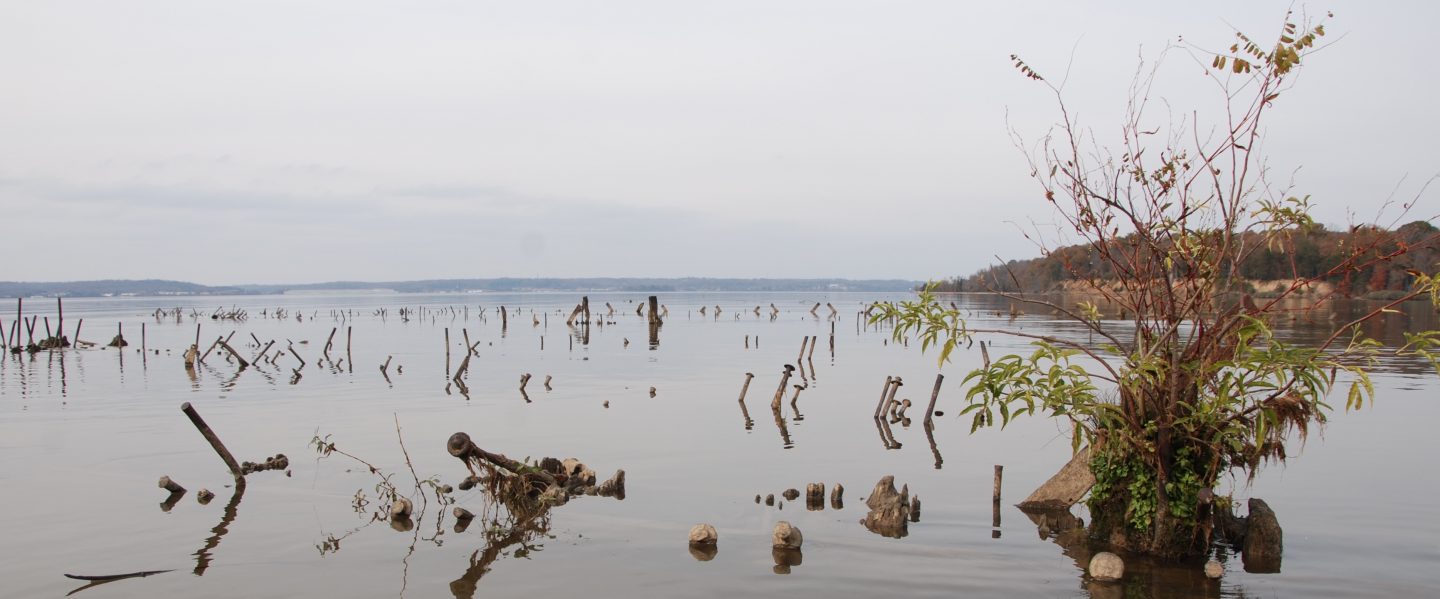
Kicked off the couch and the armchair, but still chilling.
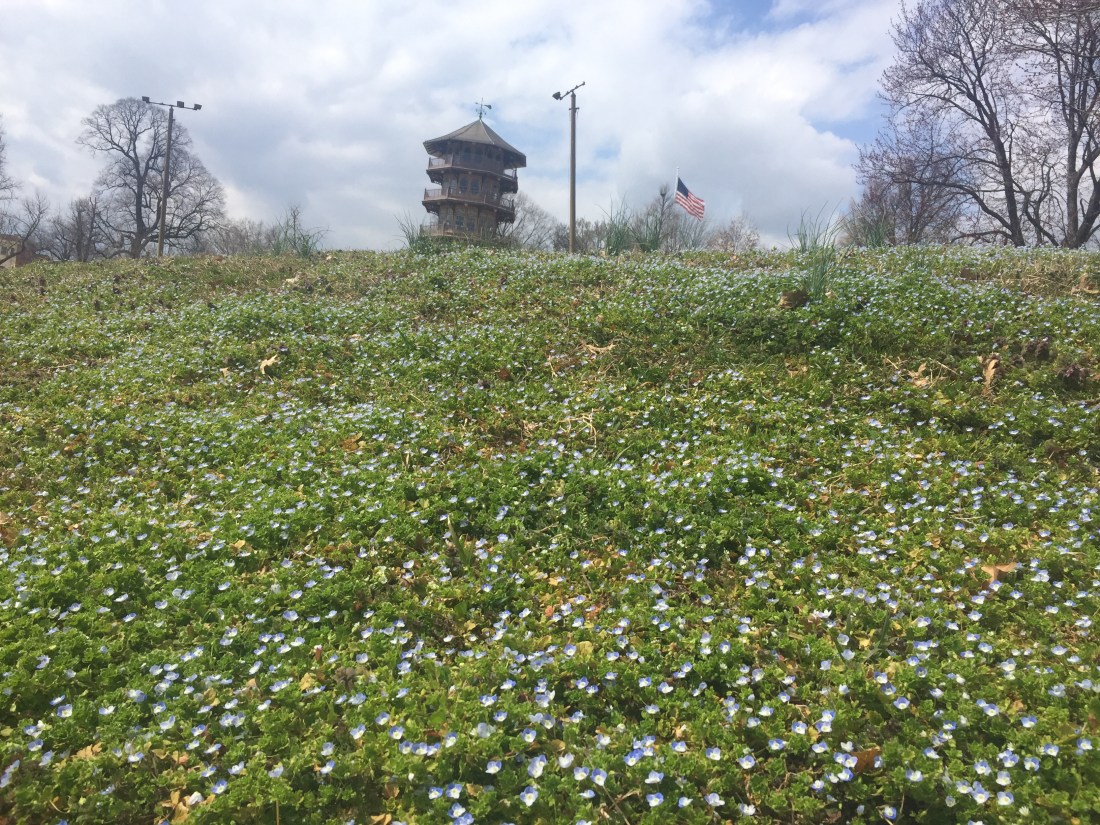
My great aunt Agnes called them Piss in the Bed, because they spread out so prodigiously.
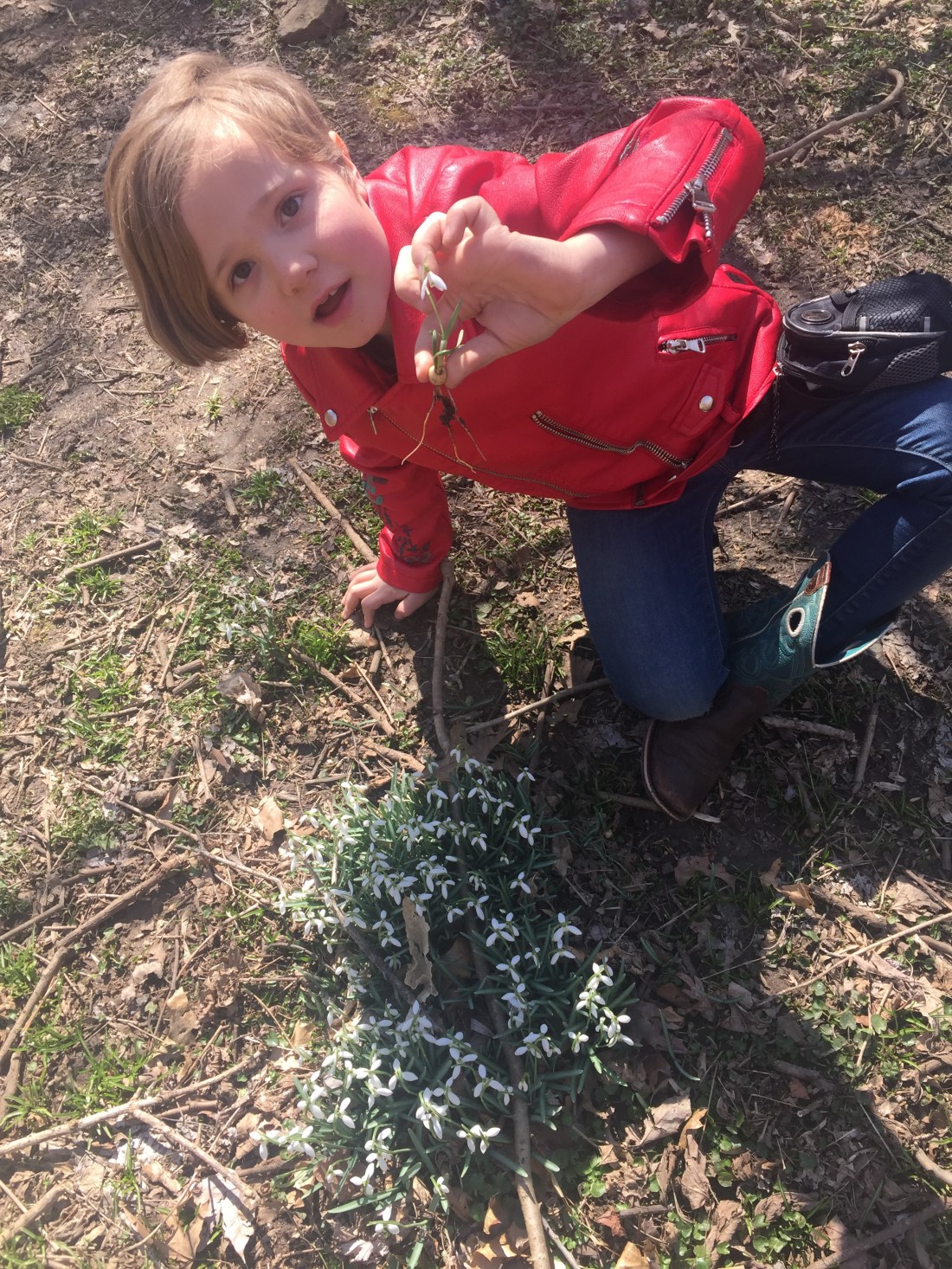
Along Stony Run.
By Van Smith
Published in City Paper, Nov. 24, 2004
David Desmarais was City Paper‘s dry cleaner for years, and he became friends with many of its sales staff as a result. In the editorial department, too, Desmarais was regarded as a friend, but even more so as a vital force in city life.
As a small-business owner, he wanted Baltimore to do well, but his true motivation as a civic booster derived from his role as a community activist and resident – though he sometimes admitted deep disappointment in the city’s directions, especially during its bleakest years in the late 1990s. He died of cancer Nov. 12 at the age of 46.
Desmarais was a man on the scene, always present at festivals, films, political events, taverns, concerts, and government hearings, always ready to start a free-ranging conversation, offer a news tip, comment on the outrages of local leaders, or constructively critique City Paper, whose writers became very familiar with the sound of his calm, steady voice, hearkening from Northeast Baltimore, or receiving e-mails from him—his address was ilovebaltimore@aol.com. (His license plate read “bawlmer”).
Desmarais moved here from his native Boston when he was still a toddler. His father, Ken Desmarais, took to the airwaves as a WCBM-AM radio jock, and Dave took to his new neighborhood, Northwood. Graduation from Calvert Hall College High School (1976) was followed by enrollment at Randolph Macon College in Virginia, where he earned an English degree. After that, he worked in retail sales downtown and, later, for the Downtown Partnership business association.
By 1990, he’d gotten into the dry-cleaning business, and his routes for pickups and deliveries added to his impressive knowledge of local culture, history, and architecture.
Desmarais was also a community activist. He helped found the Herring Run Watershed Association, a local environmental group, and Communities Organized for Responsible Development, which monitors Harford Road economic development. He also served as president of the Moravia-Walther Community Association.
At the Nov. 20 memorial service for Desmarais, held at the Church of Jesus Christ of Latter-Day Saints in Lutherville, brother Doug Desmarais recalled that, before he succumbed to cancer on Nov. 12 at the Gilchrist Center for Hospice Care in Baltimore County, Dave made a last-minute change in his own memorial plans.
“One of the things we talked about was this gathering,” Doug Desmarais said. Dave ultimately opted against “going to a dive on Harford Road for crabs and Natty Boh” to commemorate his Balto-centric life. Instead, though he was not a member of the church, he decided that a service where his siblings—Doug and sister Suzanne Vinyard—practice their faith was fitting.
Anthony Tomassetti, who shared a birthday with Dave Desmarais, rued that he’ll miss an annual tradition: drinking a mutual beer to one another on Feb. 16, no matter where each was at the time. He commended Desmarais for his curiosity, intellect, and individuality, and recalled that the dry cleaner/activist “forced local political-signage laws to be enforced” in Baltimore City—a crusade for which City Paper dubbed Desmarais “Baltimore’s cherub of political-sign justice.” Tomassetti used the title “passionate pilgrim of Baltimore” to describe Desmarais, and pointed out that Mayor Martin O’Malley sent Desmarais a “very nice letter” before his passing.
“That Dave, he knows almost everything,” was a common remark made about Desmarais, Tomassetti continued. “I fully expect he will be debriefed in heaven on current affairs by everyone from Ben Franklin, Abe Lincoln, and Martin Luther King Jr., to John Lennon of the Beatles.”
Put that roster around a table of crabs and beer at a Baltimore local, and Desmarais would know he’d reached Nirvana.
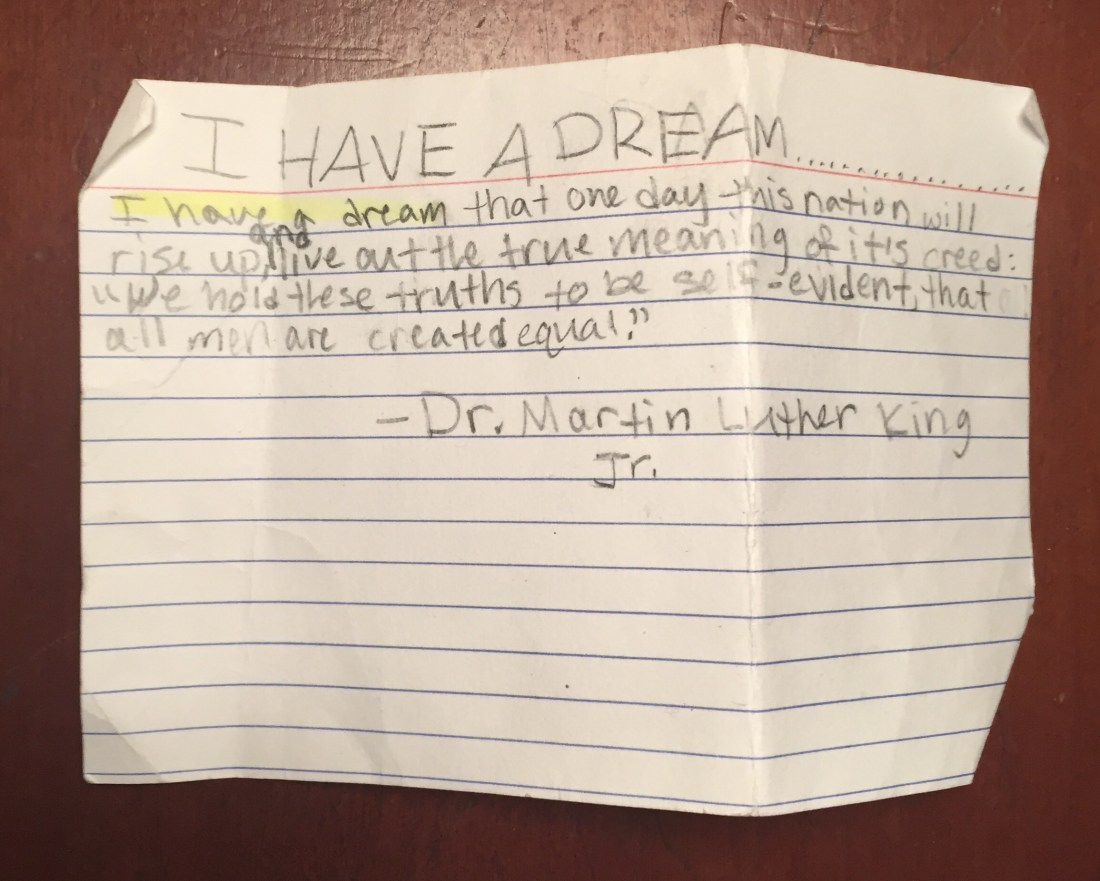
Just grabbed a hat out of my cubby-basket, and this fell out. #ihaveadream


This collection of signatures at the William J. Myers Pavilion in Curtis Bay brings back a torrent of memories about City Hall in the 1980s. Schaefer and du Burns, of course, but also: Mimi di Pietro, Edgar Silver, Chris Delaporte, Frances Reeves, Joe DiBlasi, Ben Brown, Frank Gallagher, Tom Waxter, Jacqueline McLean, Mike Curran, Frank Kuchta, George Della, Rikki Spector, Phil Jimeno, Ron Mullen, Brian McHale, Tony Ambridge, and Jody Landers. That’s some serious company honoring Bill Myers, whose significance was elusive to me, but clearly potent and widely understood by many others.

By Van Smith
Published in City Paper, May 22, 2002
When it comes to sea kayaking, Monterey has nothing on Baltimore. A tourism industry focused on the waterfront? Check. Tidal wetlands to explore? Hey, we live on the nation’s largest estuary, the Chesapeake Bay, with thousands of miles of tidal shoreline. About the only sea-kayaking attraction we don’t have that the Northern California coast does is sea otters–and sea kayaks.
In Monterey, throngs lounging in the hotels, bars, and cafés stretched along the water’s edge survey the Pacific coast as flotillas of kayaks bob by in the swell, many of them en route to Elkhorn Slough, a small estuary whose tidal wetlands are the area’s paddling gem. In Baltimore, the Inner Harbor promenade attracts constant crowds to the waterfront, yet rarely do they see a kayak gunk-holing around the harbor basin. And except for a few select areas, sea kayaks–portable, sleek paddle craft with closed decks–remain maritime oddities along Chesapeake estuarine shores.
The sparse popularity of a sport to which this area is so perfectly suited is inexplicable to Joel Beckwith, manager of the sports-equipment company Springriver Corp.’s local store. Since 2000, Beckwith, at work on a paddling guide to the Chesapeake, has been making a sea-kayak study of the Delmarva Peninsula, starting in Havre de Grace and heading south to Cape Charles, Va., then north on the Atlantic Ocean side to Lewes, Del. Along the way, he’s seen “very, very, very few kayaks. A lot of places we didn’t see anybody other than work boats. It’s amazing.”
Maybe it’s the water. Around Baltimore, it’s downright nasty. Trash, runoff, and the city’s now-famous sewage-system problems (requiring $900 million in repairs over the next 14 years) taint much of the Patapsco, as does industrial pollution, much of it embedded in the river’s sediments. And the Chesapeake as a whole isn’t exactly pristine, what with Pfiesteria and mycobacteriosis eating away at the fish and the declining numbers of crabs and oysters. But that’s the nice thing about a sea kayak–you get in the water, but you don’t have to get wet (except maybe a few splashes here and there, or in the unlikely event of a capsize).
Or maybe it’s Baltimore’s tendency to resist new things. Although kayaks have been around for eons–ancient Eskimo vessels inspired today’s varied designs–the market for kayaks in the United States has been booming. Just as Baltimore never really caught on to the dot-com revolution before it ended, the kayak craze has been passing us by.
No big deal. For those who do kayak in Baltimore and the bay–including yours truly–the local lack of interest leaves more territory to explore without fellow paddlers intruding on our adventures. Whether it’s barhopping from Locust Point to Fells Point, nosing up dark tunnels under the city’s streets, surfing with the breeze off Fort McHenry, or poking around wetlands that used to be shipping terminals, Baltimore offers kayaking possibilities that are nothing if not varied. And if cityscapes don’t float your boat, a short drive takes you and your vessel to the natural environs off Baltimore and Anne Arundel counties. Cross the Bay Bridge and the paddling options are virtually limitless.
In the city proper, there are precious few decent put-in spots: the low dock next to the Korean War Memorial in Canton, Ferry Bar Park in Port Covington, and the boat ramp next to Harbor Hospital in Cherry Hill. Further down the Patapsco, Fort Armistead and Fort Smallwood–both city-owned parks with boat ramps–provide additional water access. If you don’t own your own boat, city dwellers can join the Canton Kayak Club (www.cantonkayakclub.com) and use its kayaks and equipment, which are kept on docks at Tide Point in Locust Point and Tindeco Wharf in Canton.
For kayaking on somewhat cleaner waters, head out to one of three nearby state parks: Sandy Point (by the Bay Bridge near Annapolis), Rocky Point (where the Back River enters the bay near Essex), and Gunpowder Falls’ Hammerman Area. The latter, at the end of Eastern Avenue near Chase, is also home to Ultimate Watersports (www.ultimatewatersports.com), which rents boats and helps new paddlers learn the ropes. Regular paddlers who use these parks can save on entrance fees by purchasing a yearly pass, which costs $60 and provides access to all Maryland state parks.
Perhaps the best way to enjoy the Eastern Shore by kayak is to plan your own trip. DeLorme’s Maryland Delaware Atlas & Gazetteer (www.delorme.com), which combines road-map information with topographic detail, can get you where you want to go. After locating your destination, pay a visit to the Maryland Geological Survey (either at 2300 St. Paul St. or at www.mgs.md.gov) and procure more detailed maps. The quantity of Eastern Shore territory that is navigable by sea kayak is astounding, especially between St. Michaels and Crisfield, where much of the coastline is untouched by development.
Despite the smallness of Baltimore’s community of sea kayakers, there are plenty of ways to get involved and to keep abreast of activities. Springriver Corp. (6434 Baltimore National Pike, Catonsville, [410] 788-3377) and REI (63 W. Aylesbury Road, Timonium, [410] 252-5920) both sell kayaks and boast knowledgeable staff who can help get you on the local waters. The Greater Baltimore Canoe Club (www.baltimorecanoeclub.org) serves as a gathering point for local paddlers and hosts outings. And the newly hatched SeaKayak Web site (www.seakayak.ws) gives in-depth information about kayaking on bay waters. (One of SeaKayak’s hosts, Stephen Rohrs, taught me to roll in a sea kayak–after many unsuccessful attempts.)
Still, Baltimore is no Monterey, no sea-kayaking mecca. And it’s not likely to become one. As Springriver’s Beckwith says, “I’ve been promoting the sport in the Baltimore area for 20 years and I’ll be damned if it’s made a bit of difference.” Even in a place as eccentric as Baltimore, a kayak remains an enigma on the water. And that’s fine with me.

